
Underfloor heating combines sophistication with practicality, offering efficient and discreet heating solutions. A modern heating method installed beneath the floor surface, using electric cables or water-filled pipes. It provides even warmth throughout a space by radiating heat upward. The system also minimizes the circulation of dust and allergens, contributing to a healthier indoor environment.
Underfloor heating (UFH) systems are not one-size-fits-all. The type of floor construction used has a direct impact on heat output, warm-up time, floor build-up, weight, installation speed and compatibility with the overall building design. In general, screeded systems suit new builds and projects where high output and thermal stability are priorities, while low-profile, dry and timber-based systems are often better for retrofit work, upper floors or projects with tighter structural and programme constraints.
The right UFH floor system should therefore be selected according to the required outcome of the project. If the goal is maximum efficiency and stable heat delivery in a new-build environment, a screeded or slab-integrated system is often the most suitable. If the priority is low build-up, speed of installation or reduced disruption during refurbishment, low-profile or dry systems are typically more appropriate. For timber floors, the system must also reflect structural loading, insulation detailing and floor finish compatibility. In all cases, the final specification should be guided by heat-loss calculations, floor construction, programme constraints and the type of heat source being used.
Screeded systems offer excellent heat distribution, strong thermal mass and very good efficiency when paired with low-temperature heat sources. They are particularly effective in larger spaces and provide a high-quality, stable form of heating once up to temperature. typically used in new builds or extensions where floor depth is available. They require insulation, pipework and screed depth, with drying time allowed in the programme. Well suited to heat pumps and large open-plan areas.
It is key to note that they require greater floor build-up than other options, add weight to the structure and involve wet trades, which can extend the installation programme due to screed curing and drying times.
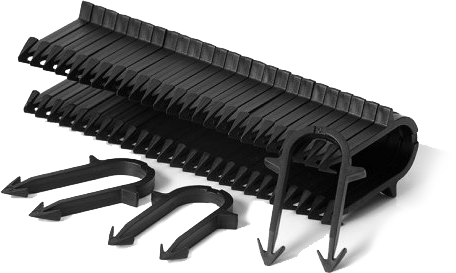
The Tacker system is the most widely used system within the underfloor heating industry and is used in conjunction with both sand and cement floor screeds.
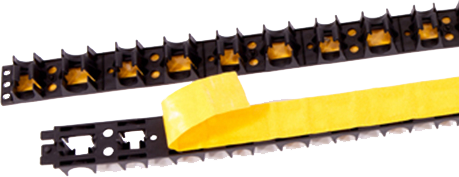
Clip rail can also be used in a similar manner. Rather than clipping the pipe down with tacker clips, the railings are stuck to the surface and pipe is clipped into place. Their main purpose is to hold the pipe firmly in position and maintain consistent spacing across the floor. This ensures the heat is distributed evenly once the system is running.
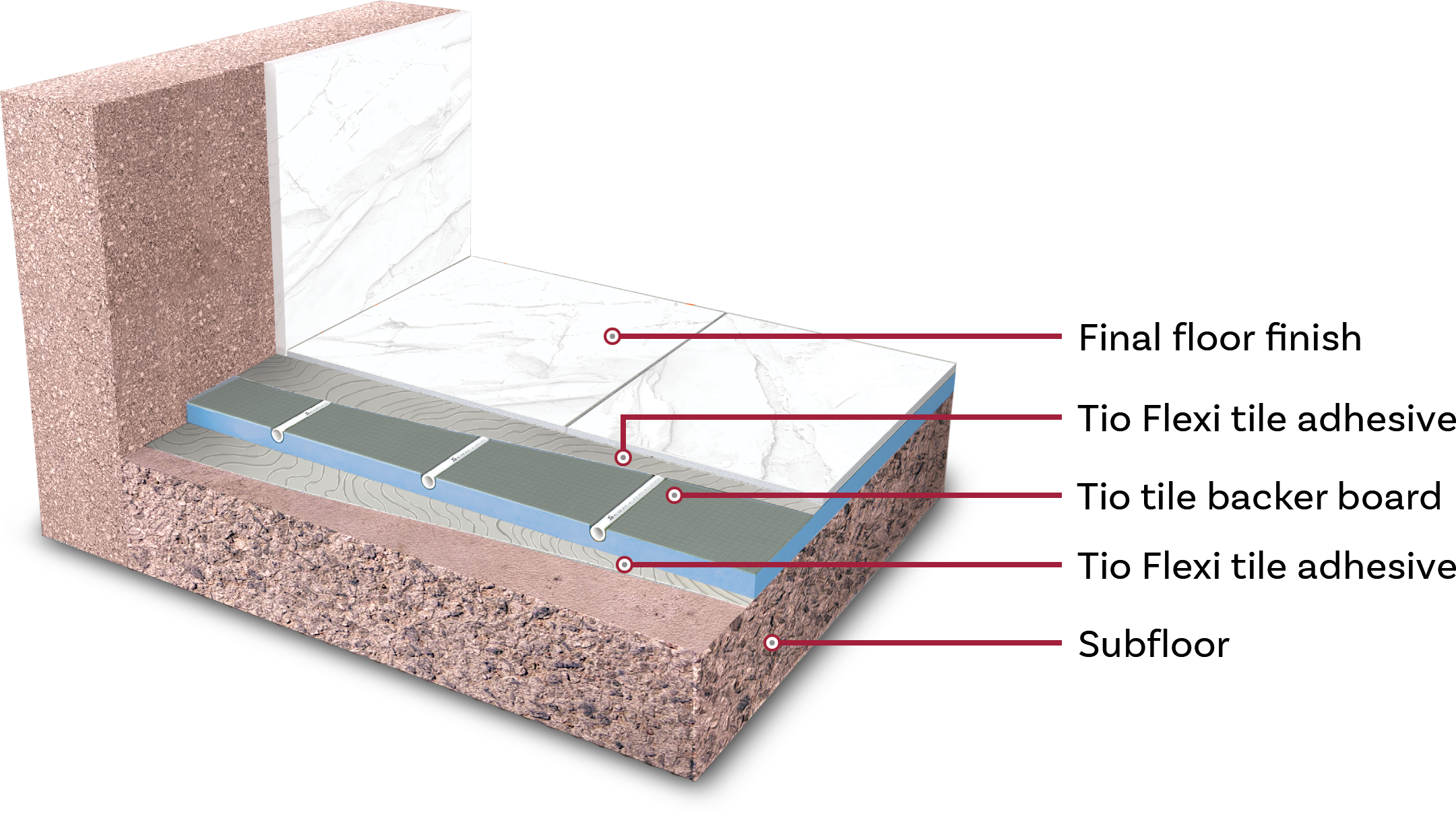
This option works best where existing floor levels, thresholds and door clearances restrict build-up. It is useful in refurbishment projects where disruption must be minimised, although output depends on the floor finish and the level of insulation available.
Low-profile systems are ideal for retrofit applications because they can usually be fitted over existing floors with minimal disruption. They offer quick response times and help avoid major changes to doors, skirtings and thresholds. However, due to this their lower mass can mean less heat storage than screeded systems, and performance may be more dependent on the floor finish and subfloor condition. In some cases, they may also offer lower output unless carefully specified.
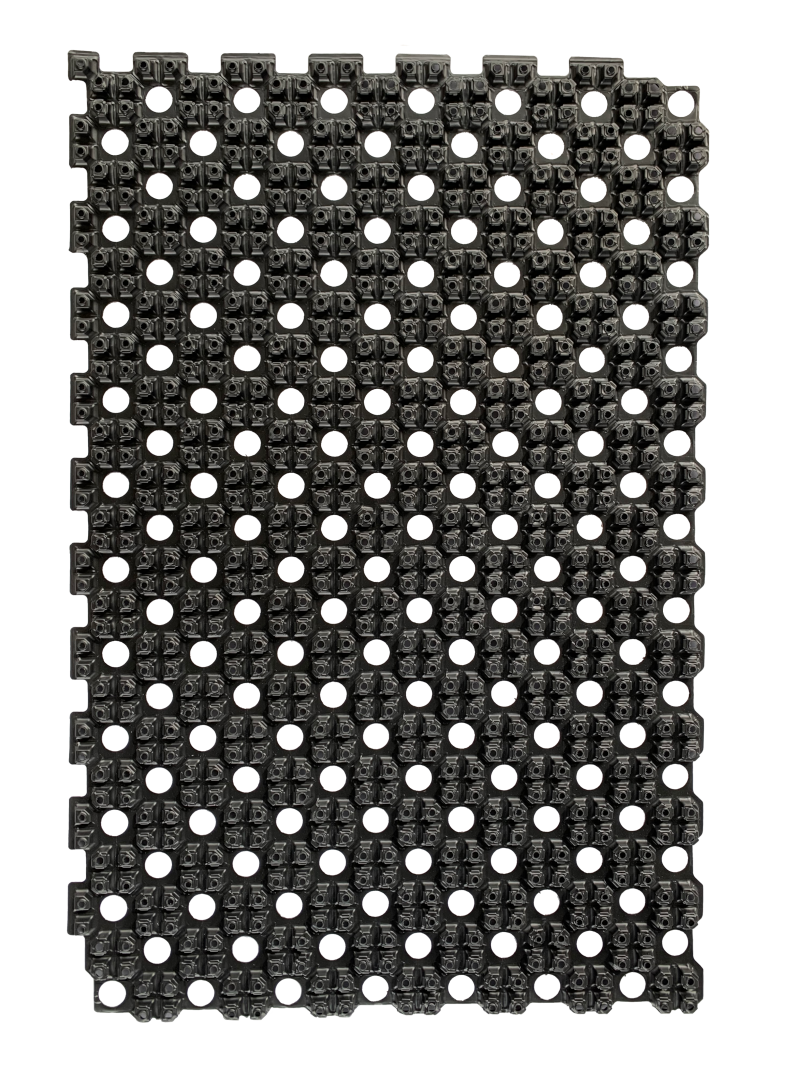
Our system mat is designed for running pipe heating loops on the heating surface. Regular, properly shaped and numerous tabs ensure fast and firm installation of heating pipes. Designed with metric graduation for easy size adjustment, making clips a reluctant aspect when laying underfloor heating pipe. Available with and without adhesive and low-top design.
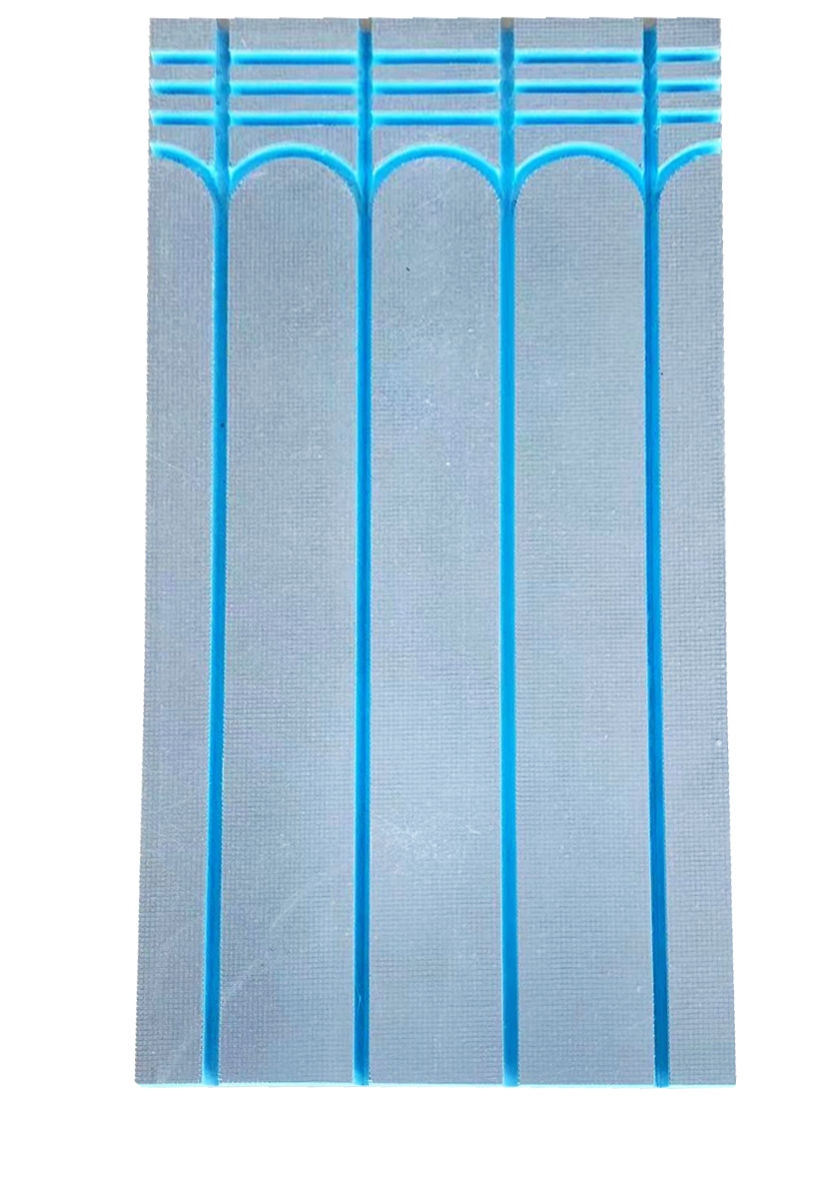
Dry floating systems are suitable for timber or lightweight floor structures and upper floors where additional load should be limited. They usually require a suitable load-spreading layer beneath the final floor finish. Due to its lightweight nature and clean install, this options can be more advantageous than your typical wet system. They are especially useful where structural loading is restricted and where the build programme requires fast progress.
It is important to note that these systems may require additional board layers to achieve a suitable finished floor, and thermal performance can be more sensitive to floor finish selection. They generally do not provide the same thermal mass as screeded construction.
Made using high density XPS 400kPa which is thermally insulating, lightweight, waterproof and faced with a reinforced cement coating.
The panels provide a quick and easy solution for the placement of pipework for domestic and commercial underfloor heating applications.
Their robust surface is ideal for direct bonding of tiles.
A practical solution for timber floor constructions, particularly in older properties or upper floors where wet screed is impractical. Suspended timber joist systems allow UFH to be introduced into floor constructions that would otherwise be difficult to heat with screeded systems. They are relatively lightweight and well suited to upper floors, renovations and timber-framed buildings. This system requires careful insulation placement to prevent downward heat loss and improve responsiveness. It is often selected for retrofit projects and timber-framed builds, and floor finish choice remains important for overall performance.
Performance is heavily influenced by insulation quality and installation detail. If poorly designed, heat loss downward can reduce effectiveness, and heat output may be lower than solid floor alternatives in some applications.
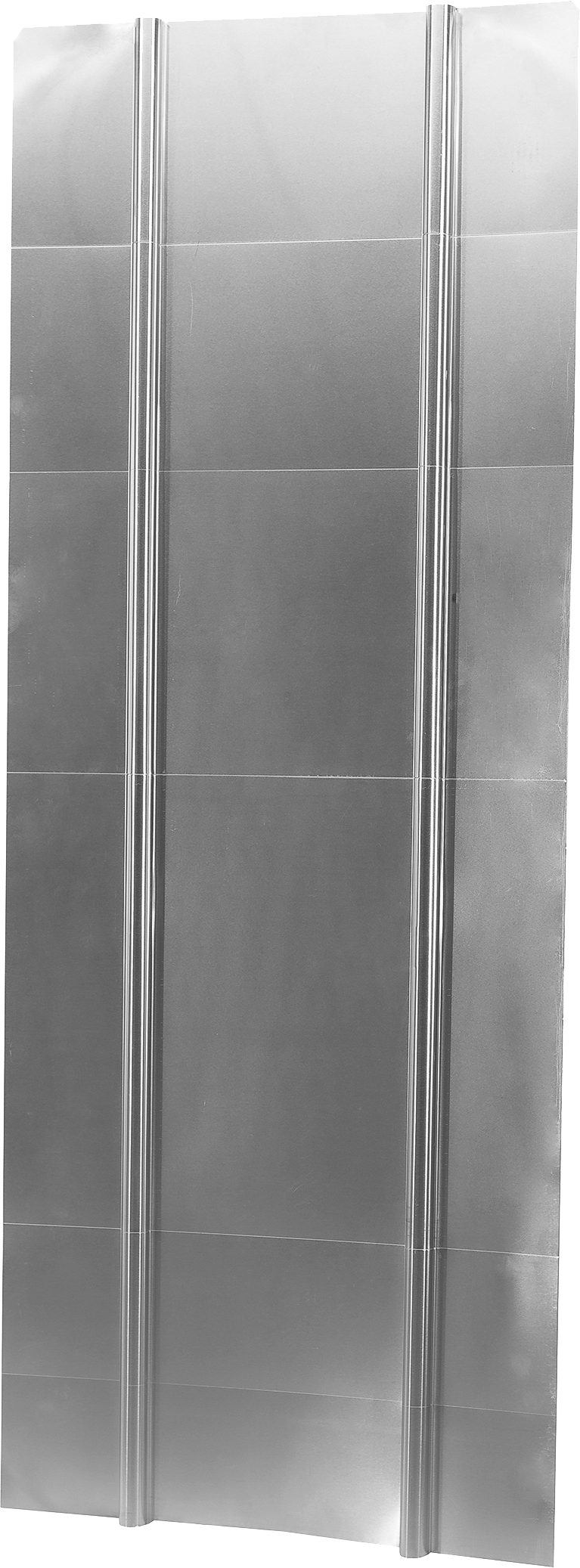
Utilising an aluminium metal diffusion plate, the only true reliable system, to achieve outputs of up to 70W/m² within a joisted floor. Various types of insulations at varying depths can be installed to fit in‐between various widths of battens. The usual standard joists are set at 400mm centres so our underfloor heating can run inbetween the joists at 200mm centres within the aluminium metal diffusion plate that disperses the heat through the floor above. The aluminium metal diffusion plate is in constant contact to the floor above achieving maximum outputs required by the client.
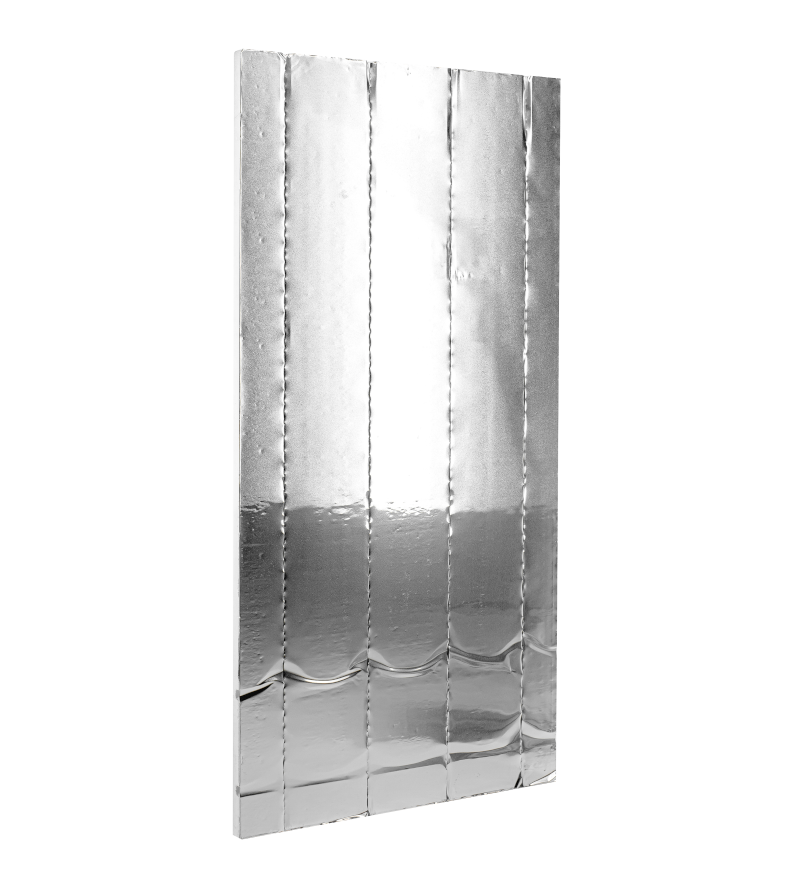
Very stable long-term heat delivery with excellent thermal storage, making it useful for energy-efficient buildings designed around continuous operation. This approach is most appropriate where the heating strategy is planned early in the build. Its slower response time means it suits buildings designed for constant temperature control rather than rapid adjustment. Structural slab systems can deliver excellent efficiency, consistent comfort levels and strong thermal storage, making them very effective in highly insulated buildings designed for steady-state heating.
Alu Standard XPS 400 is used as a load-bearing element for pipes in dry underfloor heating systems. Due to the physical characteristics of XPS 400, the product ensures optimal thermal and acoustic insulation simultaneously.
The aluminium foil cover is a radiator, which collects the heat from the side of the pipe and distributes it over the surface of the board. Furthermore, foil facing adds an additional layer of moisture resistance, making these boards suitable for areas prone to humidity. Perfect for flooring to be laid directly over.